
- Adventure & Activities
- 26 Nov 2025
Ultimate Morocco Itinerary (7–14 Days) – Complete 2026 Guide
Ultimate Morocco Itinerary (7–14 Days) Morocco is the perfect blend of ancient medinas, Sahara dunes, blue cities, coastal escapes, and dramatic mountains. Whether you have one week or two, this Ultimate Morocco Itinerary (7–14 Days) covers everything you need to plan your journey — including travel times, highlights, and recommended tours linked to Visit Morocco Tours. This guide includes: 7-Day Morocco Itinerary (ideal for first-timers) 10-Day Morocco Itinerary (culture + desert experience) 14-Day Morocco Itinerary (full Morocco loop) 7-Day Morocco Itinerary (Classic Highlights) Day 1–2: Marrakech Explore the red city: Majorelle Garden, Bahia Palace, Koutoubia, souks, Jemaa el-Fnaa, sunset rooftops. Explore Marrakech Day Trips → Day 3: Atlas Mountains Day Trip Choose between Imlil, Ourika Valley, or the famous Agafay Desert for camel rides. Atlas Mountains Tours → Day 4–5: Sahara Desert (Merzouga) Drive through the High Atlas, Ait Ben Haddou, Ouarzazate, Todra Gorge, then camel trek into the dunes. Sahara Desert Tours → Day 6: Dades Valley → Marrakech Scenic drive back through palm groves and mountain passes. Day 7: Essaouira or Agafay Desert Relax by the coast or enjoy a desert dinner under the stars. 10-Day Morocco Itinerary (Desert + Imperial Cities) Day 1–2: Marrakech Discover the vibrant medina + optional cooking class or walking tour. Day 3: High Atlas & Ait Ben Haddou Visit the most famous kasbah in Morocco (UNESCO World Heritage). Day 4: Todra Gorge → Sahara (Merzouga) Arrive at the dunes for camel trekking and overnight in a luxury camp. Day 5: Merzouga → Ziz Valley → Fes A scenic drive through cedar forests and mountain landscapes. Grand Morocco Tours → Day 6–7: Fes Explore the largest medina in the world, tanneries, mosques, and artisan workshops. Day 8: Chefchaouen (Blue City) Walk the blue alleys, visit Spanish Mosque viewpoints, explore handicraft shops. Day 9: Rabat or Casablanca Visit Hassan II Mosque, the Corniche, and the impressive Oudaya Kasbah. Day 10: Return to Marrakech Tours From Casablanca → 14-Day Morocco Itinerary (Ultimate Grand Tour) The best option for travelers who want to see all major highlights + hidden gems. Day 1–3: Marrakech + Day Trips Day trip to Atlas Mountains Optional: Ouzoud Waterfalls or Essaouira Day 4–6: Sahara Desert Expedition Marrakech → Ait Ben Haddou → Todra Gorge → Merzouga → Camel trek → Luxury Sahara Camp. See Morocco Desert Tours → Day 7–8: Fes Deep cultural exploration: pottery, Andalus quarter, tanneries, medina tours. Day 9–10: Chefchaouen Iconic blue city relaxation + hiking options. Day 11: Tangier Visit the Hercules Caves, Cape Spartel, and the beautiful old medina. Tours From Tangier → Day 12: Rabat Hassan Tower, Royal Palace, Oudaya Kasbah. Day 13: Casablanca Hassan II Mosque, modern boulevards, and seaside Corniche. Day 14: Return to Marrakech Tours From Marrakech → Best Time to Visit Morocco Spring (March–May) – perfect weather for sightseeing Autumn (Sept–Nov) – best for desert trips Winter (Dec–Feb) – excellent for Marrakech + desert Summer – hot, but ideal for Atlantic coast FAQs – Planning Your Morocco Itinerary Is 7 days enough for Morocco? Yes, 7 days is enough to see Marrakech, the Atlas Mountains, and the Sahara Desert. Is 10 days better? 10 days allows you to explore Marrakech, Sahara, Fes, and Chefchaouen. Is 14 days too long? No — 14 days is ideal for the full Morocco experience including north, desert, and coast. Do I need a guide? For desert tours and medina navigation, a guide is highly recommended. Plan Your Morocco Tour With Us
- Uncategorized
- 26 Nov 2025
Top 10 Day Trips from Marrakech (2026 Guide): Prices, Routes & Best Tours
Top 10 Day Trips from Marrakech (2026 Guide) Marrakech is one of the most exciting cities in Morocco — but the magic doesn’t stop at its red walls. Within just a few hours, you can explore waterfalls, Berber villages, the Sahara desert, Atlantic coast, and the Atlas Mountains. This 2026 guide to the top 10 day trips from Marrakech includes updated prices, routes, highlights, and links to the best tours — all provided by Visit Morocco Tours. 1. Atlas Mountains & Berber Villages Day Trip Travel time: 45–60 minutes The Atlas Mountains offer breathtaking landscapes, waterfalls, valleys, and authentic Berber culture. This is the #1 most popular day trip from Marrakech. Highlights: Imlil Valley, Toubkal views, tea with a Berber family, easy hikes. See Atlas Mountains Tours → 2. Ouzoud Waterfalls Day Trip Travel time: 2.5 hours One of the highest waterfalls in Africa, surrounded by green valleys, monkey families, and natural pools. Highlights: Boat ride, hiking trails, swimming in summer. View Ouzoud Waterfall Day Trip → 3. Essaouira Full-Day Coastal Escape Travel time: 2.5 hours A laid-back coastal city known for seafood, beaches, blue & white medina, and Gnaoua culture. Highlights: Port, medina, beach time, argan cooperatives. Check Essaouira Day Trips → 4. Agafay Desert Day Trip Travel time: 40 minutes Perfect for travelers who want a taste of desert adventure without driving to the Sahara. Highlights: Camel ride, quad biking, luxury desert camp dinner. Explore Desert Tours → 5. Ourika Valley Day Trip Travel time: 1 hour A lush green valley near Marrakech, perfect for nature lovers. Highlights: Setti Fatma waterfalls, Berber villages, riverside lunch. Ourika Valley Trips → 6. Imlil & Mount Toubkal Day Trip Travel time: 1.5 hours Ideal for trekkers and adventure seekers. Highlights: Easy-to-moderate hiking, views of Toubkal (4167m), Berber hospitality. 7. Ait Ben Haddou & Ouarzazate Day Trip Travel time: 3.5 hours For film lovers and history enthusiasts — this UNESCO site was featured in Game of Thrones, Gladiator, and more. Highlights: Kasbahs, desert landscapes, Atlas Studios. See Sahara & Ouarzazate Tours → 8. The Red Dunes of the Sahara (Merzouga Express Experience) Not a typical day trip — but possible as a private fast-track experience. Includes camel ride, private 4×4, short dune visit. Browse Sahara Desert Tours → 9. Asni & Kik Plateau Day Trip Travel time: 1 hour A peaceful and panoramic mountain escape. Highlights: Stunning scenery, traditional markets (Saturdays), local tea breaks. 10. Casablanca or Rabat Day Trip Travel time: 2.5–3 hours Perfect for travelers who want to explore Morocco’s economic and political capitals. Highlights: Hassan II Mosque (Casablanca), Oudaya Kasbah (Rabat) Tours from Casablanca → Tours from Marrakech → Prices of Day Trips from Marrakech (2026 Updated) Atlas Mountains: €25–€35 Essaouira: €20–€30 Ouzoud Waterfalls: €20–€40 Agafay Desert: €30–€70 (dinner experience €80+) Ait Ben Haddou: €40–€70 FAQs: Day Trips from Marrakech What’s the most popular day trip from Marrakech? The Atlas Mountains & Berber Villages is the most booked day trip. What is the easiest day trip to reach? Agafay Desert — only 40 minutes from Marrakech. What is the best day trip for families? Ouzoud Waterfalls and Essaouira are perfect for families. Can I visit the Sahara Desert in one day? Yes, with a special private express tour. But overnight trips offer a better experience. Book Your Marrakech Day Trip Now
- Adventure & Activities
- 25 Nov 2025
Best Sahara Desert Tours in Morocco (2026 Guide): Prices, Routes & How to Choose
Best Sahara Desert Tours in Morocco (2026 Guide): Prices, Routes & How to Choose Planning a Sahara Desert tour in Morocco can feel overwhelming with so many options available. From camel treks in Merzouga to luxury desert camps, our 2026 guide covers top tours, prices, routes, and tips to help you choose the perfect Moroccan desert adventure. Why the Sahara Desert Should Be on Your Morocco Itinerary The Sahara Desert is Morocco’s crown jewel for adventure travelers. Endless golden dunes, Berber culture, and unforgettable nights under the stars make it a once-in-a-lifetime experience. Whether you want a multi-day camel trek or a luxury overnight desert camp, there’s a tour suited to your style and budget. Top Sahara Desert Tours in Morocco (2026) 1. 3-Day Merzouga Desert Tour from Marrakech Route: Marrakech – Ait Ben Haddou – Ouarzazate – Dades Valley – Merzouga Highlights: Camel trekking, desert camp under the stars, Erg Chebbi dunes, sandboarding Price: $200–$250 per person Book this tour >> 2. 2-Day Fes to Merzouga Desert Tour Route: Fes – Ifrane – Midelt – Ziz Valley – Merzouga Highlights: Camel ride, traditional Berber camp, sunrise over dunes Price: $180–$220 per person Book this tour >> 3. Luxury 4-Day Sahara Desert Tour from Marrakech Route: Marrakech – Ait Ben Haddou – Todra Gorge – Merzouga Highlights: Private guide, luxury tent, 4×4 excursions, camel trek, dinner under stars Price: $400–$500 per person Book this tour >> How to Choose the Right Sahara Desert Tour Duration: 1-day, 2-day, 3-day, or 4-day tours – pick according to your schedule. Comfort Level: Luxury camp, standard desert camp, or basic overnight stay. Activities: Camel trek, 4×4 adventure, sandboarding, traditional music nights. Budget: Tours range from $100–$500+ depending on duration and style. Tour Type: Private tours for flexibility vs group tours for social experience. Tips for a Memorable Sahara Desert Experience Pack warm clothing for the cold nights and light layers for daytime heat. Bring sunscreen, sunglasses, and a hat. Stay hydrated and carry a small backpack for camel rides. Book with reputable operators like Visit Morocco Tours for safety and comfort. FAQs About Sahara Desert Tours How much does a Sahara Desert tour cost? Prices range from $100–$500 per person depending on the tour duration and comfort level. Can I do a Sahara Desert tour in one day? Yes, 1-day tours exist but provide a limited experience. Multi-day tours offer the full desert adventure. Is it safe to travel in the Sahara Desert? Yes, when booked with experienced guides. Visit Morocco Tours ensures safety, comfort, and knowledgeable guidance. When is the best time to visit the Sahara? October to April offers mild temperatures. Summer can be very hot. Book Your Sahara Desert Tour Now
- Adventure & Activities
- 27 May 2025
How to Avoid Tourist Scams in Morocco
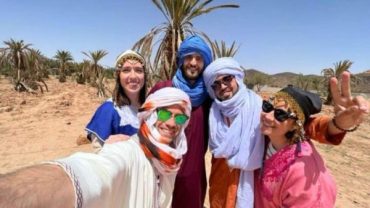
Introduction Planning a trip to Morocco? Knowing how to avoid tourist scams in Morocco is essential for a safe, smooth, and unforgettable travel experience. While this North African gem is known for its vibrant souks, stunning architecture, and warm hospitality, it’s also a place where unsuspecting tourists can fall victim to scams. From overpriced taxi rides in Marrakech to fake guides in the medinas of Fes, these common tricks can turn an exciting vacation into a frustrating ordeal. In this guide, you’ll discover how to identify and avoid the most frequent tourist scams in Morocco, along with insider tips to help you travel smart and confidently across the country. Common Tourist Scams in Morocco – What to Watch Out For 1. Fake Tour Guides – A Common Travel Scam in Morocco One of the most common scams involves locals posing as official guides. They approach tourists near attractions and offer to show them around — often insisting they are “government licensed.” Once you agree, they lead you to specific shops where you’re pressured to buy items, and then demand a high tip at the end of the “tour.” How to avoid: Always book tours through reputable agencies or your hotel. Official guides carry government-issued badges — ask to see it before agreeing. Politely decline unsolicited offers to guide you. 2. Henna Scams in Morocco – What Every Tourist Should Know In places like Jemaa el-Fnaa in Marrakech, women approach tourists offering free henna tattoos. Once they start applying, they claim you agreed to it and demand payment — sometimes aggressively. Even worse, some use black henna, which can cause skin burns or allergic reactions. How to avoid: Keep your hands away and firmly say “no, thank you.” Go to a licensed henna salon instead of accepting street offers. 3. Avoid Taxi Scams in Morocco – Know the Real Fare Some taxi drivers refuse to use the meter, especially if they see you’re a foreigner. They’ll offer a “fixed” price that’s two or three times the normal rate. Others may take longer routes to increase the fare. How to avoid: Always insist on using the meter (“le compteur” in French). Use ridesharing apps like Careem or InDrive, available in major cities. Ask your hotel about average fares to your destination. 4. Beware of the Free Gift Scam in Moroccan Markets Vendors or street performers may give you a bracelet, necklace, or souvenir, calling it a gift. Then they turn aggressive, demanding money. Refusing to pay can lead to uncomfortable confrontations. How to avoid: Don’t accept anything you didn’t ask for — even if they say it’s free. Be firm but polite in returning the item or walking away. 5. Photo Scams in Morocco – Know When to Pay In many tourist hotspots, locals pose with snakes, monkeys, or wear traditional outfits and let you take photos. What they don’t mention is that they expect payment — and often demand more than what’s fair. How to avoid: Always ask upfront if a fee is involved before taking a photo. Agree on the price first, and have exact change ready. 6. Direction Scams – How to Avoid Getting Lost and Scammed in Morocco In the maze-like medinas, it’s easy to get lost. Sometimes, a “friendly local” will offer help — but after guiding you a few steps, they’ll demand payment. In worse cases, they may lead you to unsafe areas or trap you in shops. How to avoid: Use Google Maps or offline navigation apps. Ask shopkeepers or go into a hotel if you’re really lost. Don’t follow strangers offering help unsolicited. How to Avoid Tourist Scams in Morocco – Pro Travel Tips Learn basic phrases in French or Arabic to communicate better and avoid misunderstandings. Avoid flashy jewelry or expensive cameras that make you a target. Dress modestly, especially in rural or conservative areas. Carry small bills to avoid “no change” scams. Be confident, polite, and assertive. Scammers often target people who seem unsure or lost. What to Do If You’ve Been Scammed If you feel that you’ve been scammed or threatened: Report the incident to the local Tourist Police — they are present in most cities. Contact your embassy or consulate for assistance if needed. If you booked through an agency, inform them — they often have resources to help. Write a review or report online to warn other travelers. FAQs – How to Stay Safe and Avoid Tourist Scams in Morocco Are tourist scams common in Morocco?Yes, especially in tourist-heavy cities like Marrakech and Fes. While most locals are friendly and welcoming, a few take advantage of tourists. Awareness is key. Is Morocco safe for solo travelers?Yes, Morocco is generally safe, even for solo travelers. Just be cautious, especially in crowded areas or at night. Can I trust street vendors?Many are honest and hardworking, but it’s wise to negotiate prices and avoid being rushed into a purchase. Always ask the price before accepting a service or buying something. How much should a taxi ride cost?For example, a short ride within Marrakech should cost around 15–30 MAD (about $1.50–$3 USD) with the meter. From the airport to the medina, expect around 100–150 MAD if negotiated in advance. What’s the best way to avoid being scammed overall?Be informed, stay polite but firm, and avoid accepting unsolicited help or offers. When in doubt, ask your hotel staff for advice. Conclusion Travel Smart and Avoid Tourist Scams in Morocco Morocco offers unforgettable experiences — from the Sahara dunes to bustling souks and majestic palaces. However, being aware of tourist scams can help you navigate the country with confidence and respect. Most locals are genuinely kind and hospitable, and with a little caution, you’ll find yourself immersed in one of the world’s most beautiful cultures.
- Adventure & Activities
- 27 May 2025
Traditional Moroccan Hammam: A Complete Guide to Relaxation
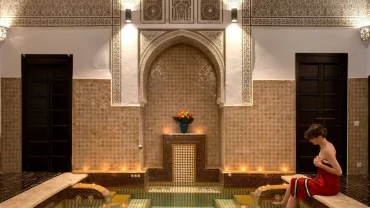
Introduction: Discover the Magic of Moroccan Hammams: Your Ultimate Guide Looking to indulge in authentic Moroccan relaxation? A traditional Moroccan hammam offers a unique wellness and cleansing experience that combines centuries-old rituals with deep cultural significance. You’re in the right place. This guide will walk you through everything you need to know about Moroccan hammam rituals, from their historical origins to modern-day tips for your first visit. Whether you’re planning a trip to Morocco or searching for the best Moroccan hammam near you, this article will help you uncover the secrets of this centuries-old tradition. Keep reading to explore the benefits of Moroccan hammams, understand the etiquette, and find answers to common questions in our Moroccan hammam FAQ section. What is a Traditional Moroccan Hammam? Understanding the Moroccan Bath Ritual A Moroccan hammam is a public steam bathhouse deeply rooted in the cultural and religious practices of Morocco. Traditionally, it serves as both a cleansing ritual and a social experience. Similar to Turkish baths or Roman thermae, the Moroccan hammam is typically composed of several interconnected rooms with varying levels of heat and humidity. Historically, hammams were linked to mosques and used for purification before prayer. Over time, they evolved into an essential part of community life, where people—especially women—gathered to cleanse, relax, and socialize. Step-by-Step Experience: What to Expect in a Moroccan Hammam Bath If it’s your first time, the traditional Moroccan hammam experience may seem a bit unfamiliar. But don’t worry, the process is simple and incredibly rejuvenating. Here’s what to expect: 1. Essential Preparation for Your Moroccan Hammam Visit Bring essentials: flip-flops, a bathing suit or underwear, towels, a scrubbing mitt (kessa), black soap (savon noir), ghassoul clay, and shampoo. Drink water beforehand; it’s going to get steamy! 2. Entering the Moroccan Hammam: Warm, Hot, and Very Hot Rooms Most hammams have three rooms: warm, hot, and very hot. You start in the warm room to acclimate your body. The heat helps open your pores, preparing your skin for deep cleansing. 3. The Role of Black Soap (Savon Noir) in the Moroccan Bath Ritual Black soap made from olives is massaged onto your skin. This natural exfoliant softens the skin and removes toxins. 4. Scrubbing with the Kessa Mitt for Exfoliation After letting the soap sit, an attendant (or yourself) uses the kessa mitt to scrub off layers of dead skin. It may feel intense, but the result is silky smooth skin. 5.Detoxifying Your Skin with Ghassoul Clay Mask After exfoliation, rinse off thoroughly. Next, a ghassoul clay mask is applied. Rich in minerals, it detoxifies and nourishes the skin. 6. Final Rinse and Hair Treatment in the Moroccan Hammam Shampoo your hair and rinse your whole body with warm or cool water. Some hammams offer a head massage or essential oil treatment to end the session. Health Benefits of Moroccan Hammams: Skin, Body, and Mind Rejuvenation Traditional Moroccan hammams are not just about cleanliness—they provide a wide range of physical, mental, and emotional health benefits: Deep skin exfoliation: Removes impurities and dead skin, helping with acne and blemishes. Detoxification: Sweating in steam rooms flushes out toxins from the body. Improved circulation: The heat stimulates blood flow and relaxes muscles. Stress relief: The tranquil environment eases anxiety and tension. Better sleep: After a hammam session, most people feel so relaxed they sleep like a baby. Moroccan Hammam Etiquette: Do’s and Don’ts of the Hammam Ritual Understanding proper hammam etiquette helps ensure a comfortable experience for everyone: ✅ Do: Bring your own supplies (unless provided). Respect the privacy of others—minimal talking and no photos. Tip your attendant if services are offered. Go with friends or family—it’s a communal event! ❌ Don’t: Wear heavy makeup or jewelry. Use loud voices. Overstay in very hot rooms if you’re not used to steam. Forget to drink water afterward to rehydrate. Different Types of Moroccan Hammams: Public vs. Luxury Bathhouses There are generally two types of hammams you can try in Morocco: 1. Traditional Public Hammams: Authentic and Affordable Moroccan Bathhouses Affordable and authentic. Usually gender-separated and attended mostly by locals. Bring your own products or buy them at the entrance. 2. Luxury Hammams (Riads or Spas): Pampered Wellness Experiences Catered toward tourists with professional services. Offer packages with massages, aromatherapy, and private rooms. More expensive, but incredibly relaxing. Moroccan Hammam FAQ: Common Questions About the Traditional Bath Experience Q: Is it safe for first-timers to visit a Moroccan hammam?A: Absolutely! Just follow the etiquette and consider starting with a spa-style hammam if you prefer more privacy. Q: What is black soap and why is it used?A: Moroccan black soap (savon noir) is a natural exfoliant made from olives. It softens the skin and prepares it for deep cleansing. Q: Do men and women bathe together?A: No, traditional hammams are gender-separated. They have different hours or sections for men and women. Q: Can I go to a hammam during pregnancy?A: It’s best to consult with your doctor first. High heat and steam may not be recommended for all pregnancies. Q: How often should I visit a hammam?A: Once a week is traditional, but even once a month can bring great benefits. Q: What should I wear inside the hammam?A: Most people wear underwear or a swimsuit. Some traditional hammams may allow nudity, but check beforehand. Conclusion: Embrace the Hammam Culture Whether you’re traveling through the winding streets of Marrakech or discovering Moroccan wellness in your hometown, the traditional Moroccan hammam is an experience not to be missed. It’s not just a bath—it’s a ritual of rejuvenation, a journey into history, and a true act of self-care. From the invigorating steam to the exfoliating black soap and mineral-rich ghassoul, each element of the hammam connects you with Morocco’s rich cultural heritage and leaves you feeling brand new.
- Culture & Experience
- 27 May 2025
Kid-Friendly Attractions in Marrakech: The Ultimate Family Guide
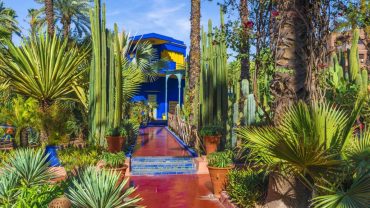
Introduction Marrakech, the vibrant red city of Morocco, isn’t just a hotspot for adventurous travelers — it’s also packed with kid-friendly attractions in Marrakech that make it a fantastic destination for families. From colorful gardens and lively markets to cultural treasures, this city offers experiences that combine fun with discovery. Whether you’re traveling with toddlers, teens, or everyone in between, this guide explores the top family-friendly activities in Marrakech. From waterparks and camel rides to hidden gardens and museums, these experiences are sure to delight both kids and parents alike. 1. Jardin Majorelle – One of the Best Kid-Friendly Attractions in Marrakech Escape the city’s hustle in the magical setting of Jardin Majorelle, one of the most famous gardens in Morocco. Designed by French artist Jacques Majorelle and later owned by fashion legend Yves Saint Laurent, it’s a vibrant oasis full of exotic plants and brilliant blue architecture. Why This Garden Is a Must-See Kid-Friendly Attraction in Marrakech Kids are mesmerized by the fish ponds, bamboo forests, and striking colors. It’s stroller-friendly and offers plenty of shady paths for easy walking. Family-Friendly Features That Make Jardin Majorelle One of Marrakech’s Best Kid Attractions Located within the garden, this museum offers a colorful introduction to Morocco’s indigenous Berber culture. Children will enjoy exploring displays of traditional clothing, jewelry, and tools — all beautifully presented. Transition Tip: After a relaxing stroll, grab a refreshing drink at the nearby café. 2.Aqua Fun Water Park – A Splashing Good Time Among Kid-Friendly Attractions in Marrakech For a refreshing break on a warm day, visit Aqua Fun, the largest water park in Marrakech. It features a range of slides, pools, and splash zones designed for all ages. Family Fun Highlights at This Kid-Friendly Marrakech Water Park The park is well-maintained, clean, and offers shaded lounging areas for parents. It’s a great way for kids to let off steam after sightseeing. Transition Tip: Plan your visit in the afternoon when the weather gets hotter. 3. Camel Rides in the Palmeraie – A Classic Adventure for Families Visiting Marrakech with Kids For a one-of-a-kind adventure, take a camel ride through the Palmeraie, a vast palm grove on the outskirts of the city. It’s a safe, family-friendly way to enjoy Morocco’s desert vibe without leaving town. Why Camel Rides Are One of the Top Family-Friendly Things to Do in Marrakech Most tours include a traditional tea stop and photo breaks. It’s a hit with children and makes for unforgettable family photos. Transition Tip: Combine it with a visit to the Palmeraie Museum for a complete half-day experience. 4. Palmeraie Museum – A Cultural Gem Among Marrakech’s Kid-Friendly Attractions This lesser-known gem is a peaceful cultural space showcasing Moroccan art, crafts, and heritage. The Palmeraie Museum is perfect for curious young minds. What Makes Palmeraie Museum a Cultural Kid-Friendly Experience in Marrakech Interactive displays, colorful textiles, and open spaces make learning fun for kids. Parents will appreciate the quiet atmosphere and artistic design. 5. Jemaa el-Fnaa – A Must-Visit for Families Exploring Marrakech with Children At the heart of the Medina lies Jemaa el-Fnaa, Marrakech’s famous main square. In the evening, it transforms into a live stage full of energy. Why Jemaa el-Fnaa Is a Family-Friendly Attraction in the Heart of Marrakech Kids can watch snake charmers, magicians, dancers, and storytellers. There’s also plenty of street food to sample together. Transition Tip: Visit before dark for a less crowded experience with younger children. 6. Le Jardin Secret – A Hidden Treasure Among Family Attractions in Marrakech Hidden in the bustling Medina, Le Jardin Secret is a tranquil space blending Islamic, exotic, and Moroccan garden designs. Why Le Jardin Secret Is One of the Best Family-Friendly Places in Marrakech It offers a relaxing escape with informative signage that introduces kids to Moroccan gardening traditions and architecture. Transition Tip: It’s a perfect pit stop during your Medina explorations. 7. MACMA – A Creative Stop for Families Looking for Things to Do in Marrakech with Kids The Marrakech Museum of Contemporary Art (MACMA) is ideal for older children or budding artists. It showcases modern and traditional Moroccan artwork. A Creative & Educational Stop for Families Visiting Marrakech with Kids Hands-on workshops and interactive exhibits spark curiosity and creativity. It’s an excellent option on hot or rainy days. Transition Tip: Check their website in advance for family-friendly events and temporary exhibitions. FAQ: Visiting Marrakech with Kids When is the best time to visit Marrakech with children? March to May and September to November are ideal for pleasant weather and outdoor activities. Is Marrakech safe for families with kids? Yes! Marrakech is generally safe. Just stay alert in crowded areas and keep children close in the Medina and public squares. Are there free things to do with kids in Marrakech? Yes — stroll through the Medina, enjoy the gardens, and catch live performances in Jemaa el-Fnaa at no cost. Top outdoor attractions for families? Camel rides in the Palmeraie Jardin Majorelle Le Jardin Secret Souk tours and public parks Are there kid-friendly restaurants in Marrakech? Absolutely. Many restaurants offer kids’ menus, high chairs, and large terraces. Some even have live music or small play areas. Conclusion: Marrakech is a Family Travel Dream With its mix of adventure, history, and cultural richness, Marrakech is a top destination for families. Whether you’re riding camels, splashing in water parks, or exploring hidden gardens, every moment offers something new and memorable.